




Amid an ongoing budget shortfall, the Wisconsin Department of Natural Resources is cutting back next year on stocking muskies, walleyes, other game fish, and pheasants. Two state fish hatcheries have already halted production for 2027, and the state plans to stock around 500,000 fewer fish than it would in a typical year. The DNR says it will also have to make reductions to other key programs, including wildlife surveys and habitat work.
These cuts are necessary because of a deficit in the state’s fish and wildlife account, which has been underfunded in recent years. Although lawmakers approved a $30 million transfer last year to help balance that account, they did not give the DNR the additional spending authority required to use that money, according to Wisconsin Public Radio.
“We are needing to consider cutting core work that we do,” Wisconsin DNR Secretary Karen Hyun told WPR. “Things like stocking of pheasants or stocking of fish that are important to people who recreate across the state, like muskies and walleyes.”
Cuts to this “core work” in 2027 will include a 70 percent reduction in muskie stockings and a 45 percent reduction in walleye stockings. This translates to roughly 40,000 fewer muskies and 300,000 fewer walleyes, according to a recent update from the Fisheries Bureau. Other reductions on the fisheries side will affect habitat management and protection programs, as well as creel surveys. On the wildlife side, the cuts will include:
- Reducing pheasant stocking by 10,000 birds, from 75,000 to 65,000
- Reducing monitoring surveys for deer, grouse, and other species by 28 percent
- Reducing the banding of waterfowl and other birds by 15 percent
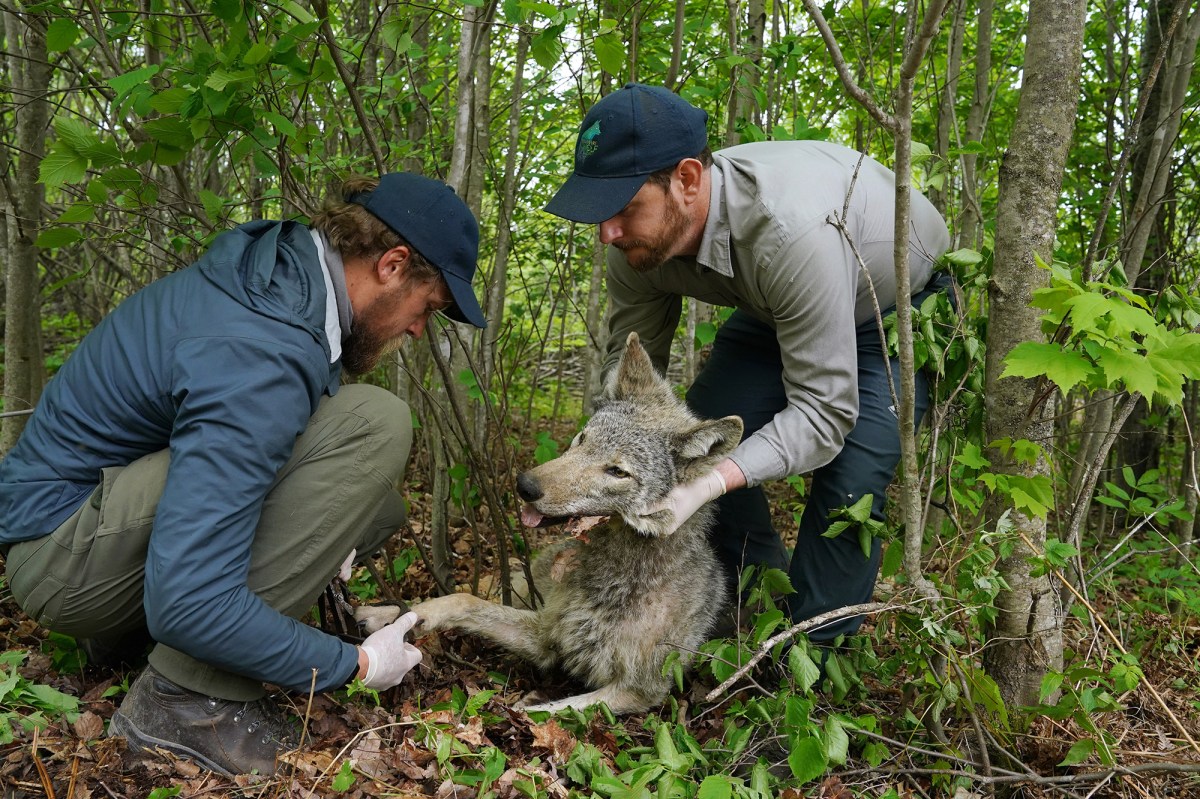
- Reducing wolf winter tracking by 20 percent
- Reducing CWD testing by 10 percent
- Reducing forest habitat and grassland habitat management by 33 percent and 4 percent, respectively
- Reducing maintenance by 34 percent for public use facilities like parking lots, trails, and visitor centers
In a pair of letters sent to the state’s budget committee, Hyun asked the chairs of the committee to give the agency the spending authority it needs to sufficiently fund the Fish and Wildlife Management Bureaus. The two letters request the authority to transfer $2,880,700 on the fisheries side and $1,411,500 on the wildlife side.
The DNR did not immediately respond to a request for comment from Outdoor Life. But the agency clarified with WPR that the cuts to next year’s programs are being made regardless of whether lawmakers grant these additional spending authorities. However, those authorizations could help prevent additional cuts in the future.
Funding fish-and-wildlife conservation has always been an expensive undertaking. Hunters and anglers have traditionally provided the lion’s share of this revenue through the purchase of hunting and fishing licenses. But with license sales on the decline in Wisconsin, the DNR is one of several fish-and-wildlife agencies around the country that is struggling with budget shortfalls.
Read Next: Oregon Has Found a New (and Clever) Way to Fund Wildlife Conservation
One of the simplest ways that states are overcoming this challenge is by raising license fees. Several states, including Washington, Utah, and Nebraska, have done this over the last few years. Wisconsin increased its nonresident license fees in 2023, but the last time the state raised fees for residents was in 2005.
Raising taxes or establishing new ones, such as a backpacker tax, can provide other potential funding streams in the future. This can be a tough sell, but states like Oregon are finding clever new ways to make it work. In March, lawmakers there passed a new law that raises the hospitality tax by 1.5 percent and directs all that money toward fish and wildlife conservation.
Read the full article here
