




It started as a routine transfer.
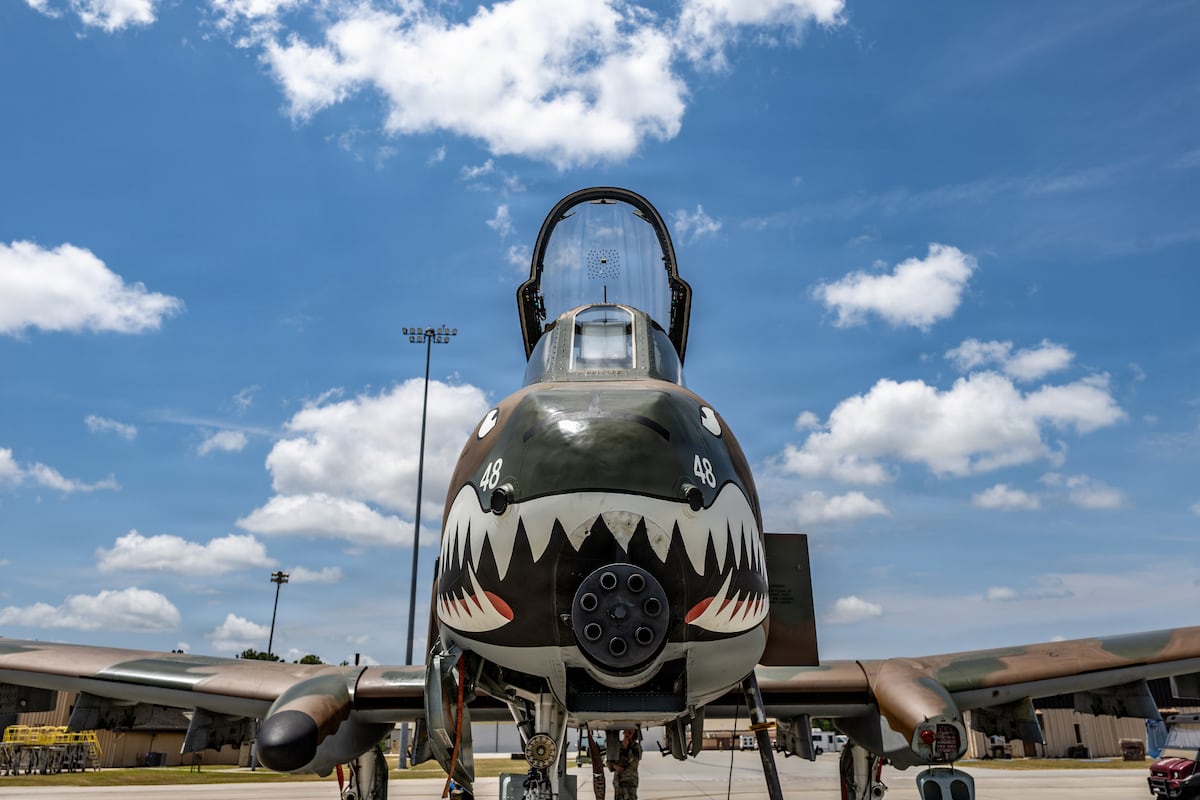
Following an asset transfer from Korea, maintainers at Moody Air Force Base, Georgia, accepted and processed an A-10 Warthog. Soon, staff at the base recognized that they had an opportunity to link past and present.
So began the process of transforming the A-10 into a piece of visual history, tracing its lineage to the famous Flying Tigers squadron of World War II.
“If the original Flying Tigers hadn’t been successful, we wouldn’t be here today carrying that name and history,” Staff Sgt. Tucker Lee, 23d MXS noncommissioned officer in charge corrosion control, said in a release. “The shark teeth that people associate with the A-10 started back with the P-40s, and now they’ve become part of what makes the Warthog iconic. Keeping that heritage paint scheme and the nose art reminds us where we came from and pushes us to continue that legacy of success.”
Formed in 1941 by Capt. Claire L. Chennault, the American Volunteer Group, popularly known as the Flying Tigers, was composed of former U.S. Army, Navy and Marine Corps pilots hired as mercenaries by China to fight against the Japanese.
Though only in combat for less than seven months, the group became famous at the time for its ability to inflict outsize damage on Japan’s better-equipped and larger aircraft fleet, NPR reported.
The heritage paint job also serves as tribute to Brig. Gen. David “Tex” Hill, who served under Chennault.
“He flew P-40 Warhawks with the 2nd Pursuit Squadron as a flight leader. Tex was credited with 12 and a quarter aerial victory during his time with the American Volunteer Group,” said William Godwin, 23d Wing historian.
While the AVG disbanded on July 4, 1942, in its place came the 23rd Fighter Group under the 14th Air Force — which Hill promptly joined, and shortly thereafter commanded.
The 23rd Fighter Group became part of the 23rd Wing at Moody in 2006, but its WWII lineage continues to live on — this time with the A-10.
“From carefully matching historical details to working long hours as a team, maintainers ensured the aircraft would stand as a faithful tribute, reinforcing a shared connection between generations of Airmen, past and present,” the release states.
WWII-era camouflage sweeps across the Warthog’s shell, which is then offset by the distinctive shark’s mouth paint scheme and the unmistakable Flying Tiger emblem.
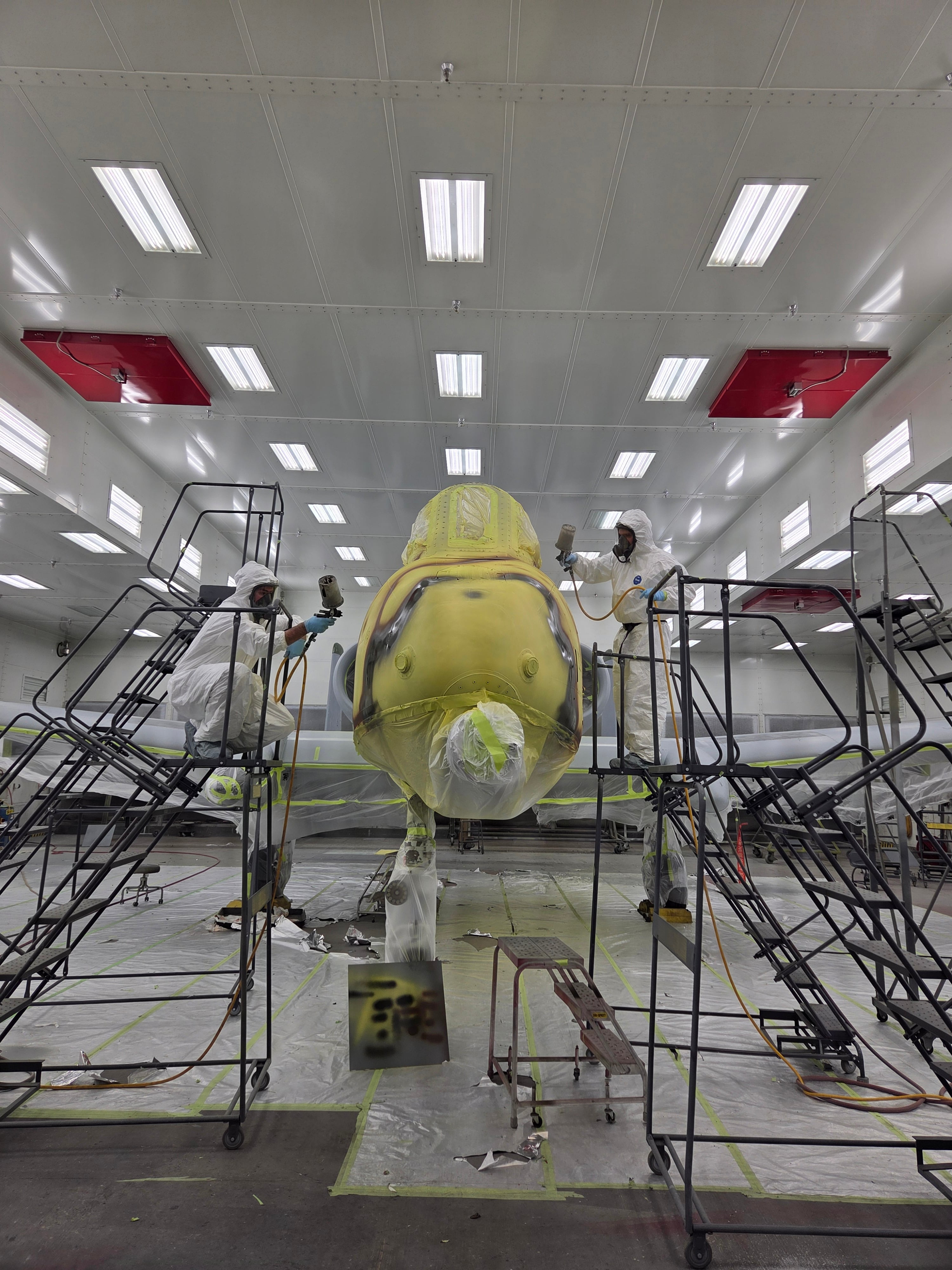
“We had to de-mask the plane and track down where every stencil belonged so we could repaint each one correctly. The masking process was different from what we usually do, so there was definitely a learning curve, but seeing it all come together made it worth it,” said Senior Airman Memphis Waller, 23rd MXS aircraft structural maintenance.
The project now complete, the A-10 remains fully mission-capable while also sporting its “new” paint job, carrying “forward a legacy that began with the Flying Tigers, proving that while technology evolves, the spirit of the mission endures,” the release concluded.
Claire Barrett is an editor and military history correspondent for Military Times. She is also a World War II researcher with an unparalleled affinity for Sir Winston Churchill and Michigan football.
Read the full article here
