



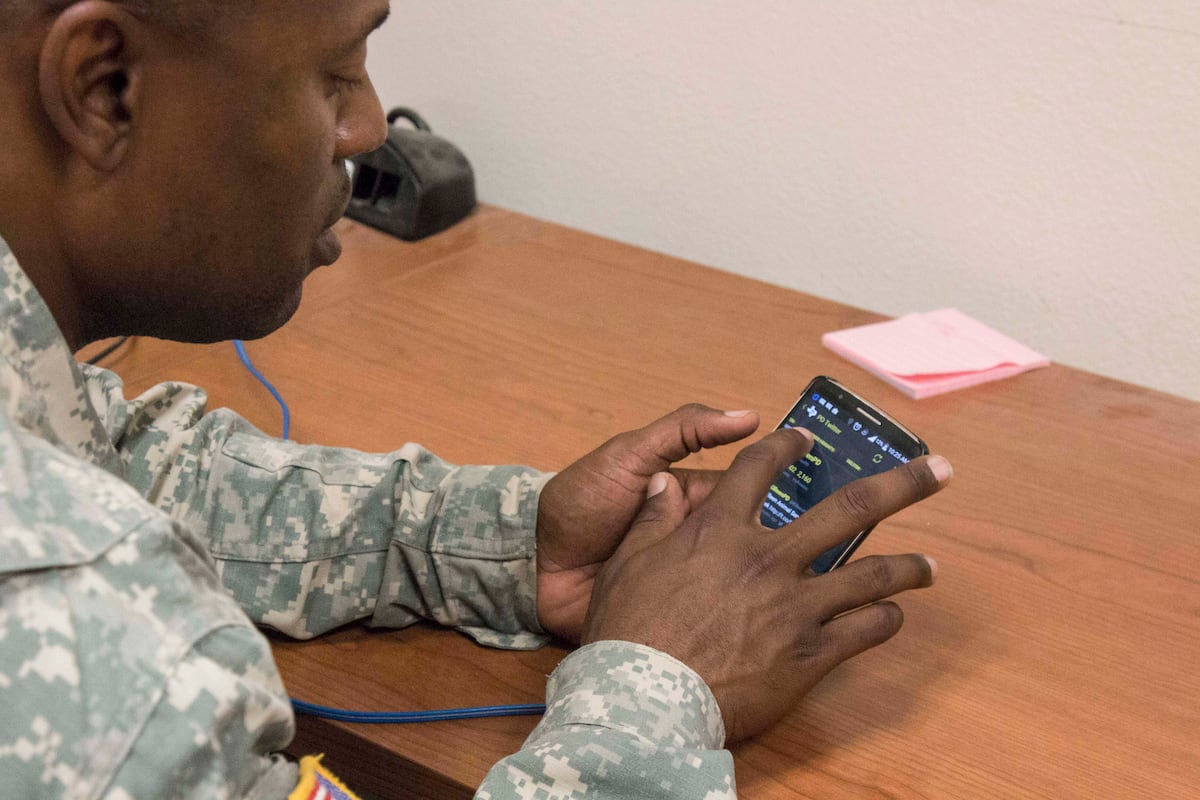

On July 9, the Army announced it was consolidating official social media accounts in the interest of improving information access while reducing operational risk.
Nearly a month later, some military families say the changes have made it harder to find information about child care, community programs and installation services.
Army Directive 2026-17, Optimizing Digital Media, required many subordinate units and installation organizations, including Army Community Service, Morale, Welfare and Recreation, Child & Youth Services, military treatment facilities and other organizations to discontinue standalone Army social media accounts. Instead, those organizations are expected to communicate through higher-level command or installation accounts.
When introducing the directive in July, Army leaders said the changes would “ensure a clear, unified voice, reduce operational risk, and improve information access for Soldiers, Families and the public.”
During the first month of implementation, organizations across the Army, including Fort Bragg Army Community Service and U.S. Army Garrison Bavaria Family and MWR, notified followers that their standalone social media pages would be closed and directed audiences to installation-level accounts for future updates.
This week, the 3rd U.S. Infantry Regiment, known as The Old Guard, notified followers that its Instagram account would be managed by the U.S. Army Military District of Washington as part of its compliance with Directive 2026-17, reflecting the Army’s larger effort to centralize official communications.
Some military families said the transition has changed how they access day-to-day information.
LeAnn Nichols, an Army spouse, said the loss of organization-specific pages disrupted a network she relied on while searching for child care and staying connected with installation resources.
“Military families should never struggle to take advantage of the programs that are meant to support and empower our families,” Nichols said.
Nichols said that Army hospital and MWR pages had become one of the easiest ways for families to learn about available services and questioned why those accounts were removed.
“Statistics show many military families don’t take advantage of programs that they are eligible for, and could really use,” Nichols said. “Now it will be even more difficult to find the information we need on a regular basis.”
Nichols’ concerns come as child care continues to rank among the most significant quality-of-life challenges facing military families.
According to Blue Star Families’ Military Family Lifestyle Survey, one-third of active-duty family respondents identified child care as one of their top concerns. Among respondents experiencing child care challenges, 67% cited long waitlists or a lack of available spaces.
Michael Hanson, an Air Force spouse living in an Army community, said the consolidation has changed how his family experiences installation life.
“The installation feels like it’s gone dark,” Hanson said. “It’s back to COVID times where we’re all living in isolation. But even in isolation, we had social media to stay connected. With the military taking us all over the world, how can we not rely on the social highway?”
Army Directive 2026-17 allows commanders to request exceptions when they can demonstrate a mission-critical requirement that cannot be met through existing communication channels.
Military Times asked the Army how it is measuring whether the directive has improved information access and whether it has collected feedback on implementation. The publication also asked whether any exceptions have been approved, what communication channels it expects families to rely on in place of organization-specific social media pages, and whether the Army has collected data on the effectiveness of the new communication model in its first month.
The Army did not respond before publication.
Natalie Oliverio is an independent journalist and Navy veteran who covers military and veterans’ issues. Drawing on her experience as a talent executive and mentor, she writes about the policies, people and programs shaping the military community.
Read the full article here
