




For most public-land hunters and anglers, it only takes one or two trips into the backcountry to recognize a simple truth: The farther away you can get from a road, the better life gets. There’s a certain feeling that comes from ditching crowds and vehicles, where we can push farther and deeper to find that next secret creek or hidden meadow.
Backcountry skiers and backpackers feel the same way. Which is why 99 percent of Americans oppose the Trump administration’s current plans to rescind the Roadless Rule. Now we have some hard numbers and data to back up those feelings. A new report from Trout Unlimited, Roadless: America’s Sporting Lands, pulls from a pile of research to unpack the benefits that roadless areas provide to America’s hunters and anglers. The takeaways are simple and straightforward:
When it comes to our National Forest lands, no matter where you are in the country, a lack of roads almost always translates to better fishing, bigger bucks, and more opportunities.
“America’s roadless areas produce the cold, clean water that trout and salmon depend on, they give elk and mule deer the space they need to thrive, and they offer hunters and anglers access to quality hunting and fishing that’s getting harder to find,” says president and CEO of Trout Unlimited Chris Wood, who played a key role in the development of the Roadless Area Conservation Rule in 2001 when he was still working for the U.S. Forest Service. “The Roadless Rule has stood the test of time because it strikes a simple balance — protecting these irreplaceable places while still allowing for smart forest management. Rescinding it would be a costly mistake for fish, wildlife, and the outdoor traditions that depend on them.”
The repercussions of a “costly mistake” like rescinding the Roadless Rule would extend far beyond the hook-and-bullet world. As Wood points out in the TU report, millions of Americans source their drinking water from streams that originate in — or pass through — roadless areas. And while roadways are essential for logging, drilling, and mining, which are all important multiple uses of USFS lands, roads are also a major fire risk. Around 85 percent of the wildfires that start on National Forest land are human-caused, and 78 percent of those are sparked within a half-mile of a road.
Besides, we already have plenty of existing roadways in the USFS system — roughly 370,000 miles of them. So many, in fact, that federal land managers have a hard time keeping them in driving shape. The deferred maintenance backlog for these roads is now hovering close to $11 billion, according to TU.
Here are some other key takeaways from TU’s Roadless report that apply to hunters and anglers.
Better Fishing in Roadless Areas
When it comes to native trout and wild salmon, roadless areas provide essential, irreplaceable refuge for fish. This holds true on the East Coast just as much as it does out West.
In New Hampshire, for example, at least 80 percent of roadless areas support native brook trout populations. And in Colorado, all 13 of the state’s Gold Medal trout streams are fed by tributaries flowing from roadless areas. The same can be said of most state-designated Blue Ribbon streams in Montana, Wyoming, and Utah.
Other fishing facts worth noting from the report:
- Approximately 70 percent of all roadless areas support native trout and salmon.
- In Idaho, 74 percent of all Chinook salmon and steelhead habitat is found in roadless areas.
- In Oregon, 83 percent of the high-quality spawning and rearing habitat for bull trout is found in roadless areas.
- In Colorado, 70 percent of Colorado Greenback and Colorado River cutthroat habitat is found in roadless areas.
Better Habitat and Hunting in Roadless Areas
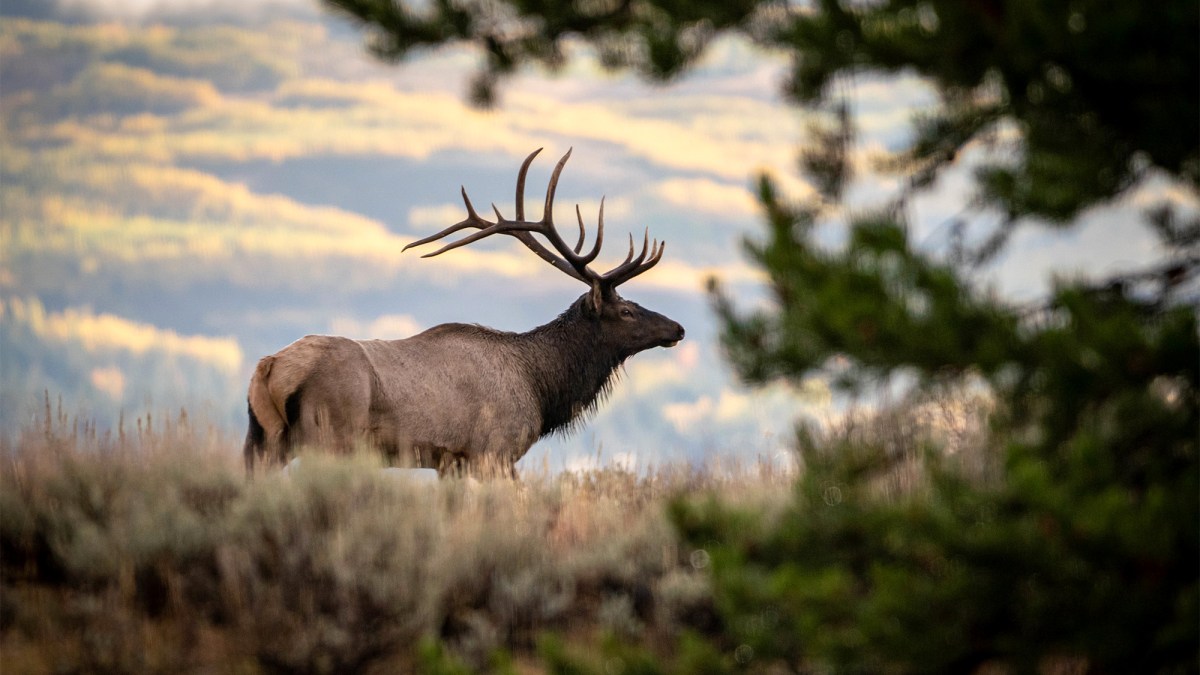
Looking specifically at big-game species in the West, where around 87 percent of our National Forests are located, roadless areas provide the core habitat that elk, mule deer, and other critters rely on. These areas contain forage, cover, and plenty of room for animals to migrate between their summer and winter ranges.
- In Wyoming, 63 percent of the state’s mountain goat range lies within roadless areas.
- In Montana, 93 percent of roadless areas are home to elk summer range. In Idaho, 98 percent of roadless areas provide elk habitat at some point during the year.
- In Utah, more than 99 percent of roadless areas are designated by the state as crucial or substantial habitat for mule deer.
- Two roadless areas in particular serve as “primary production areas” for the world’s biggest elk herd, the White River herd in Colorado.
And the more animals there are, the higher your odds of tagging out. As the TU report shows, harvest rates are consistently higher in roadless areas, as compared to developed areas.
Read Next: A Local Perspective on the Return of the Roadless Rule in Southeast Alaska
Looking solely at Wyoming, hunters in areas that are more than 90 percent roadless typically harvest one bull for every 2.4 square miles. Compare that to developed areas that are less than 10 percent roadless, where hunters harvest a bull for every 25 square miles. Translation: Harvest density is 10 times higher in roadless areas than in heavily-roaded ones.
Where Things Stand in the Rescission Process
U.S. Secretary of Agriculture Brooke Rollins first announced the administration’s plans to rescind the Roadless Rule in June. Rollins’ announcement was followed by an abbreviated, 21-day public comment period, during which 99 percent of respondents opposed the idea.
In the time since, the USDA and the U.S. Forest Service have stayed quiet about the proposal. This might not be surprising to those who’ve been following policy changes regarding federal public land management, but it is important when we’re talking about a rule that has so much overwhelming support from the American public.
The Boulder Monitor reports that during the time leading up to the rule’s establishment in 2001, the U.S. Forest Service held more than 600 public meetings nationwide. But according to TU public lands policy director Corey Fisher, the USFS has avoided public involvement since Rollins’ announcement in June.
“There hasn’t been a single public meeting [on this],” Fisher tells Outdoor Life. “Not even a webinar. Nothing.”
Fisher says they’re anticipating the Roadless discussion will start back up soon, when the USFS releases its proposed rule, along with draft alternatives and the associated environmental impact statement.
Read Next: The Forest Service Wants to ‘Streamline’ How Your Public Lands Are Managed by Giving You Less Opportunity to Comment
“That should kick off another comment period,” Fisher says. “But it remains to be seen how long that comment period is going to be. Typically, it would be in the 60-day range. But if what we saw back in September holds true, it could be much shorter.”
This will be the next opportunity for hunters and anglers to speak up in support of the Roadless Rule. Fisher says people can also submit their comments in advance through TU’s website, which will forward the comment directly to the Federal Register when the proposed rule is published.
Read the full article here
