



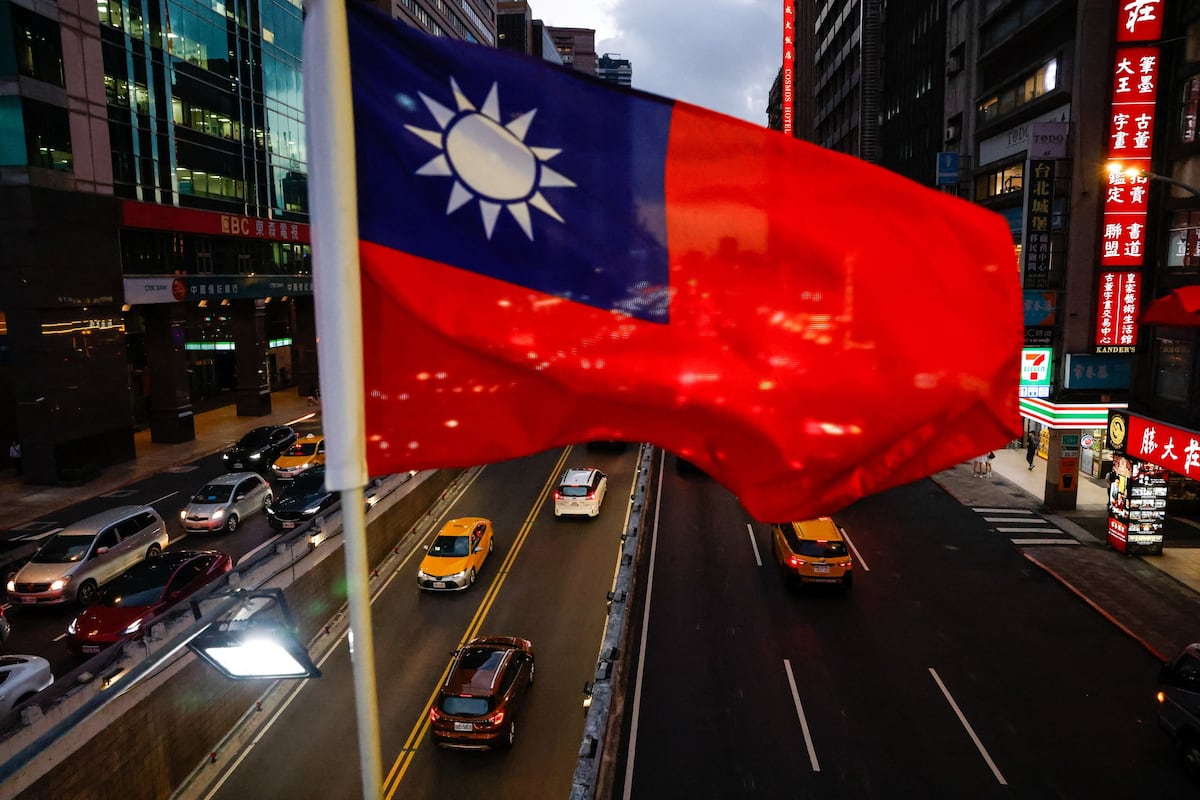

WASHINGTON, March 17 (Reuters) — The war on Iran has not delayed shipments of weapons to Taiwan or changed U.S. policy toward the island, officials from President Donald Trump’s administration told members of Congress on Tuesday, despite the demands of the intense air campaign.
“Have we delayed moving things to Taiwan? We haven’t,” Stanley Brown, principal deputy assistant Secretary of State for Political-Military Affairs, told a House of Representatives Foreign Affairs Committee hearing.
The U.S. and Israel began airstrikes against Iran on Feb. 28, a campaign that has raised concerns among some U.S. officials that the U.S. defense industry would be unable to keep up with demand and could be forced to slow shipments to buyers such as Taiwan, which faces steadily rising military pressure from China.
There was already a multi-billion-dollar backlog of U.S. arms shipments to Taiwan before the Iran war started. Brown said the administration was looking at ways to expedite shipments, without providing specifics.
Trip to China postponed
Several members of the House committee raised concerns about the island during the hearing, which took place on the day Trump said he was postponing a highly anticipated trip to Beijing to meet with Chinese President Xi Jinping.
Taiwan was one of the issues expected to be discussed by the two leaders.
China views Taiwan as its own territory and has never renounced the use of force to take the island under its control. Taiwan rejects Beijing’s sovereignty claims, saying only the island’s people can decide their future.
China held its most recent war games around Taiwan in December, and its warships and warplanes regularly operate around the island.
Reuters reported last week that a major U.S. arms package for Taiwan that included advanced interceptor missiles was ready for Trump’s approval and could be signed after his trip to China. With a price tag of about $14 billion, the arms deal would be the largest ever for the democratically governed island, which faces steadily rising military pressure from China.
It was not immediately clear whether the trip’s delay would affect the timing of that arms deal.
Trump’s Republicans and Democrats in Congress have also been sparring bitterly over Trump’s declarations of national emergencies in order to sidestep congressional review of foreign weapons sales, including the decision this month to expedite the sale of $650 million worth of bombs to Israel.
At the hearing, committee Chairman Brian Mast of Florida and other Republicans accused Democrats of delaying crucial assistance to important allies as they face international threats.
Rep. Gregory Meeks of New York, the panel’s top Democrat, said that bypassing congressional review of major deals weakened human rights oversight.
(Reporting by Patricia Zengerle and Michael Martina; Editing by Alison Williams)
Read the full article here
