



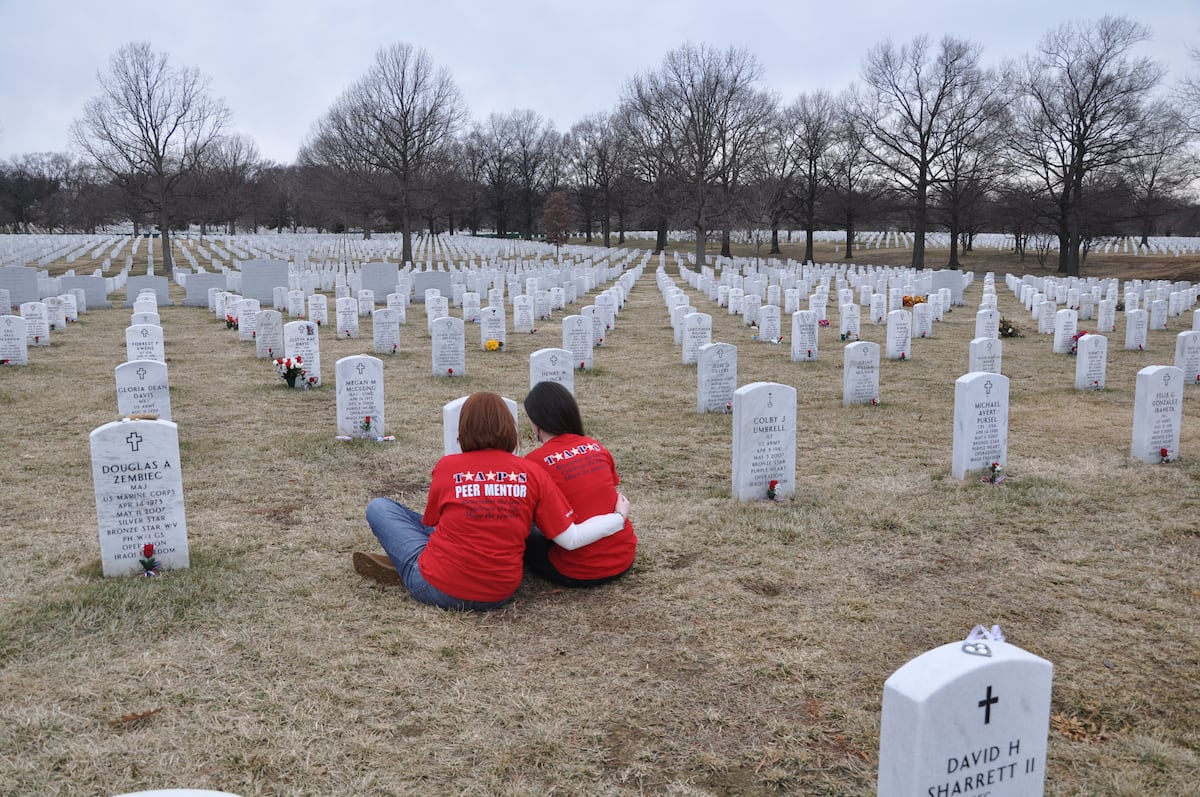

When a service member puts on the uniform, their entire family serves alongside them.
For military spouses, that service involved a lifetime of sacrifices: frequent moves that reset careers, years of underemployment and the inability to vest in their own retirement.
When a tragedy occurs, the benefits provided to the surviving spouse are not a gift; they are an earned benefit and recognition of that collective sacrifice.
This isn’t abstract to me — it’s the life I was raised in.
Both of my parents served — my father in the Army, my mother in the Air Force. My mom made the difficult decision to leave her military career because she understood what it would take to hold our family together while my father continued to serve.
She tried to keep a foothold in the workforce, taking part-time jobs where she could. But my dad’s deployment schedule of six months gone, three months home, made stability impossible.
Childcare costs outweighed any income she could earn, and when my middle brother was diagnosed with severe disabilities requiring constant care, the choice became even clearer. She stepped away from work to raise us and be there every time the Army needed my dad.
For nearly a decade, she poured everything into raising us, into being present for every move, every absence, every demand the Army placed on our lives. Then, at 38, with all three of us finally in school, she began again. Starting over.
She found work on base, running the Exceptional Family Member Program – the very program our family had relied on. It wasn’t just a job; it was a calling. She was determined to improve the system for families like ours, to make it easier for others walking the same difficult path.
And then, just months later, everything changed.
I came home from fifth grade to find two service members at our door. In an instant, my childhood split in two — before and after. My mother became a widow, left to raise three children ages 10, 8 and 5.
Just days after my father died, my mother sat through the briefing every military widow receives: Here is your flag, here are your benefits — and a quiet but unmistakable warning to not remarry.
Remarrying was the furthest thing from her mind, from any widow’s mind. She wasn’t thinking about a future without him; she was trying to survive the present without her soulmate. He died just 13 days shy of their 10th wedding anniversary — the man she had built her life around, the man she believed she would grow old with.
Two weeks later, I came home from school with a “contract” I had written, asking her to promise she would never date again. That’s how deeply I believed in their love. They were the kind of couple that made you roll your eyes and smile at the same time. They danced in the kitchen while dinner burned and laughed constantly, only “arguing” over who would get to dress the other when they were old.
She didn’t sign it. Instead, she told me something I didn’t understand then: She didn’t know what the future would hold, but she hoped that someday, love could be part of it again.
But for my mother, that future never came.
Maybe she would have tried, if the cost of love hadn’t been so high. If choosing companionship didn’t mean risking the financial security that kept our family afloat. If she hadn’t been forced to weigh her own happiness against our stability.
She chose us every time.
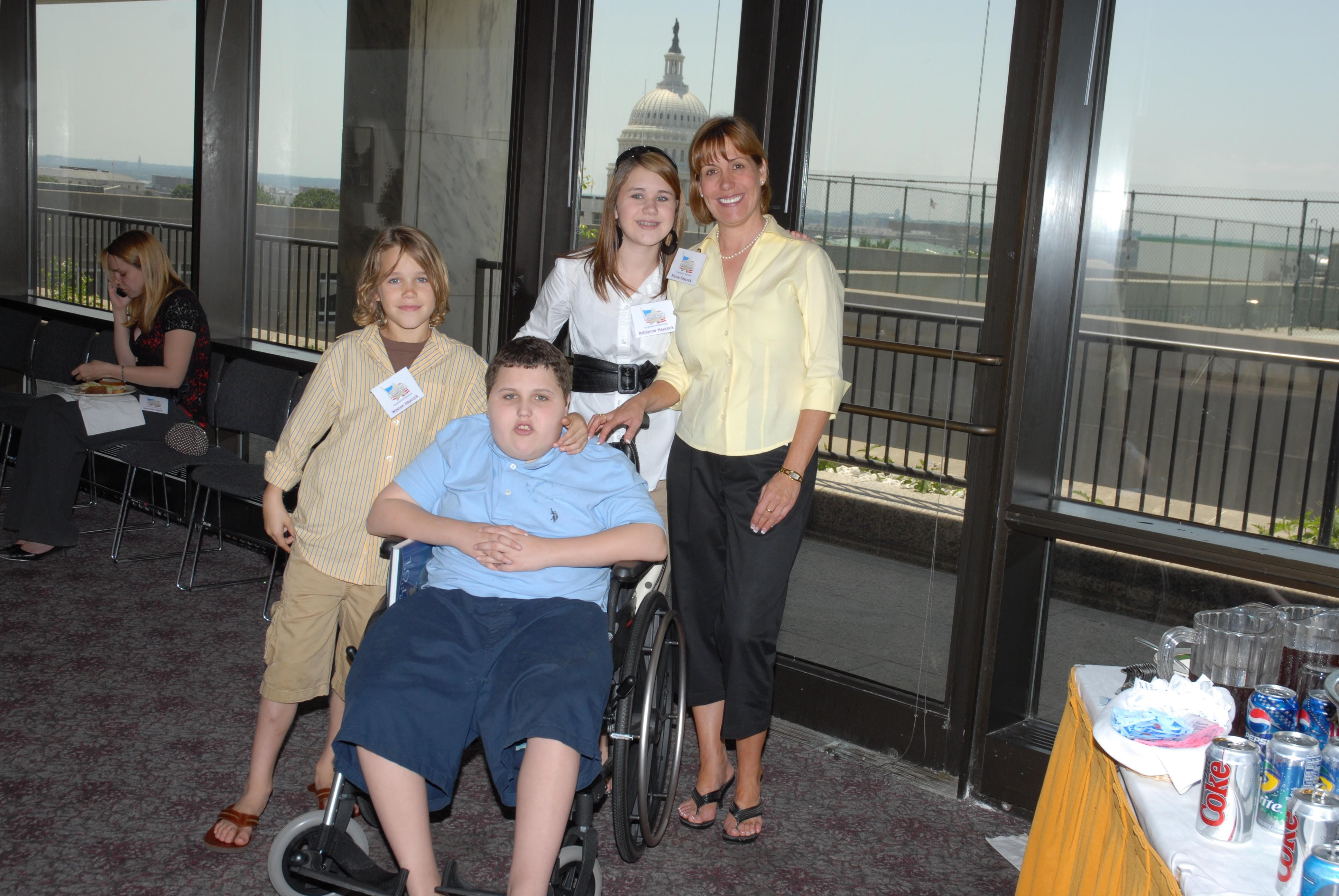
And in the end, the weight of that choice — the grief, the pressure, the isolation — became too much to carry alone.
She died by suicide at 47 years old, on what would have been her 19th wedding anniversary.
Under current federal law, the government imposes an arbitrary “remarriage penalty.” If a surviving spouse under the age of 55 chooses to find love again and remarry, they lose access to their survivor benefits.
My mom did not divorce my dad; she dedicated her life to being the perfect mom and Army wife. She made every sacrifice the Army threw at her, including sacrificing her soulmate. She put her career on hold to support the mission.
The benefits our family earned were not given out of pity or to offset the loss of my dad’s income, but to offset the decade my mom was out of the workforce.
There is a persistent and damaging misunderstanding that survivor benefits are a form of government-funded alimony intended to support a spouse until a new “provider” comes along. This could not be further from the truth.
These benefits are intended to offset the lost earning potential of the survivor. Because of the military lifestyle, most military spouses never have the opportunity to vest in their own retirement. Their “retirement” was the promise of the survivor benefit.
My mom’s story is not uncommon. It is the story of military spouses, caregiver spouses and surviving spouses across the country. While military spouse employment may be on the rise, most military spouses are still massively underemployed.
The current law also creates a bizarre and often heartbreaking waiting game.
The law says if survivors wait until the age of 55, they can remarry and maintain their benefits. Many survivors simply wait out the clock to remarry, living in a state of financial and legal limbo just to retain the benefits they earned. For those who remarry earlier — often for religious reasons — the loss of benefits can be devastating.
The current law does not acknowledge the true service and sacrifices our surviving spouses have made. They are not property. They are not divorced. They are people who had their futures taken from them, people who would give anything to have their loved ones back.
What they are doing is not “moving on.” It is surviving. It is rebuilding from the worst day of their lives.
At TAPS, we serve more than 120,000 surviving families. We see the daily reality of these policies, which is why our legislative team is working on Capitol Hill, meeting with lawmakers to explain that this is a matter of equity and honor.
The Love Lives On Act is about more than just a check in the mail; it is about respecting the sanctity of the military family. It recognizes that while a service member’s life may have ended, the nation’s debt to their family does not. We owe it to our survivors to ensure that their love can live on without the threat of financial insecurity.
Ten-year-old Ashlynne did not want to think about her mother moving forward after her dad died, but as an adult, I see it differently.
I wish my mom had been free to open her heart again to someone who could have respected the amazing man my father was while teaching my brother how to tie a tie. To someone who could have loved my mom and given her a chance at happiness.
While it is something my brothers and I will never have, it is something I hope other surviving families have in the future: The chance to move forward and find happiness without having to fear for the financial consequences of doing so.
It is time for Congress to pass the bipartisan Love Lives On Act and ensure that these benefits remain with surviving spouses, regardless of their marital status.
Ashlynne Haycock-Lohmann is the Director for Government & Legislative Affairs for the Tragedy Assistance Program for Survivors (TAPS) and the Surviving Daughter of Army SFC Jeffrey Haycock and Air Force Veteran Nichole Haycock.
Read the full article here
